
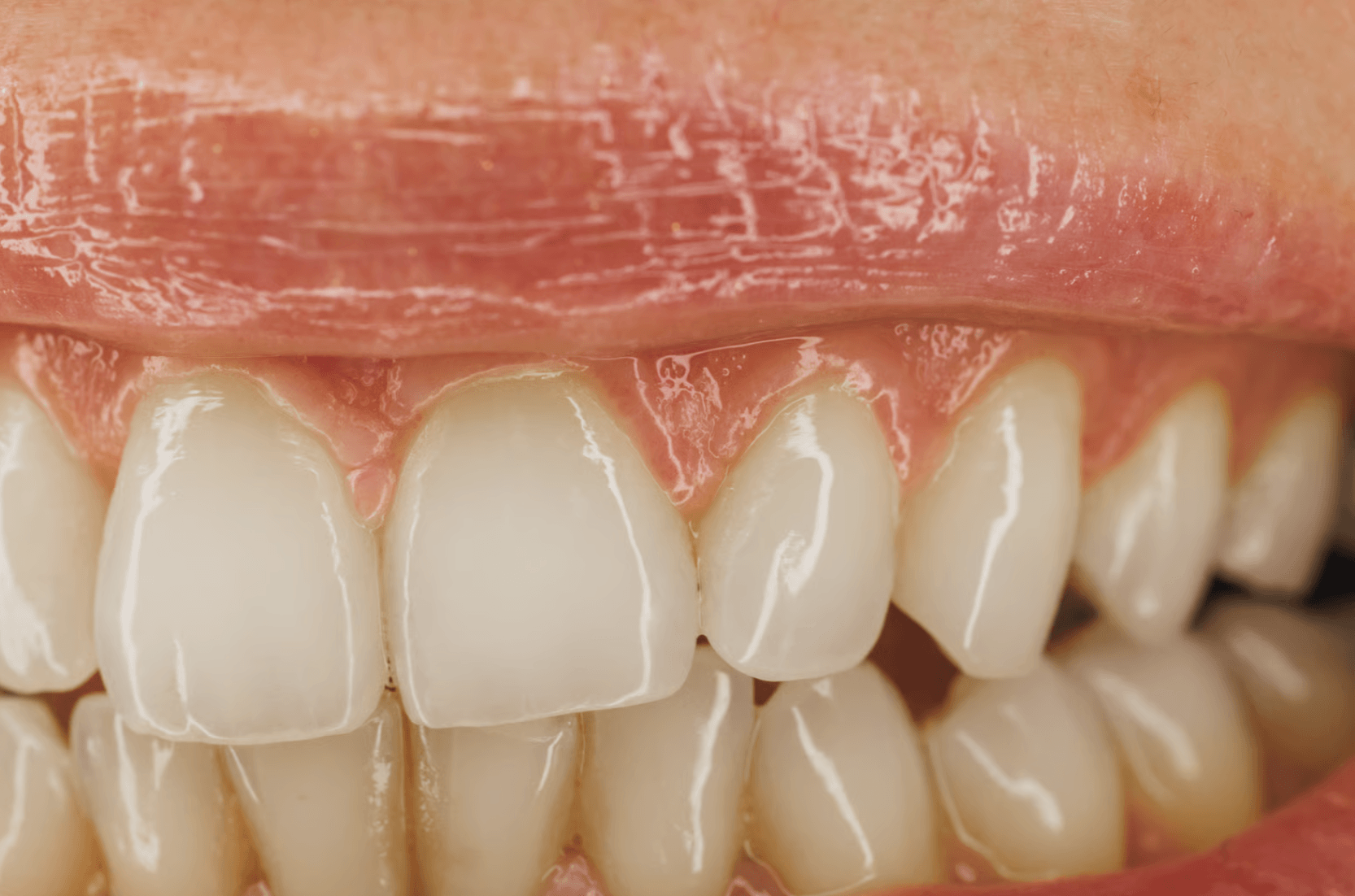
It is not recommended to pop or pierce a white pus-filled spot on your gum. This may be a sign of a dental or gum infection. If you squeeze it, you could injure the area and push the bacteria deeper. Even if the pus drains and the pain subsides, the underlying cause remains and requires treatment by a dentist.
In a nutshell
- Do not break or pierce the white spot.
- Do not apply irritating substances to your gums.
- Schedule a dental appointment as soon as possible.
- Seek immediate medical attention if you develop a fever, swelling of the cheek, or difficulty swallowing.
- Just because the pus has drained out doesn't mean the infection is gone.
What could that white spot on the gum be?
Most often, a whitish spot that swells and discharges pus is a way for an infection to drain toward the mouth. The infection may originate at the root of a tooth or in a deep area of the gum.
Sometimes it looks like a small pimple. It can come and go. It can be painful, but there are also cases where it hardly hurts at all.
An infection that started in a tooth
A deep cavity, a crack, an old filling, or a blow to the tooth can allow bacteria to enter the tooth. The infection can spread to the root and the bone.
The body tries to relieve the pressure, and pus may ooze out through the gum. For this reason, once the abscess bursts on its own, the pain may subside. However, the tooth remains infected.
A gum infection
Pus can also come from a deep space between the tooth and the gum. This problem occurs especially when there is inflammation, tartar, and damage to the tissues that support the tooth.
Bleeding, bad breath, an unpleasant taste, and tooth mobility may occur.
How can you tell the difference between this and a canker sore?
A canker sore is usually a small, whitish or yellowish sore with a red border that hurts when touched. It usually does not contain pus and heals on its own within one or two weeks.
A lump that swells, subsides, and discharges fluid with an unpleasant taste is most likely related to an infection. Only a doctor can confirm the cause.
Why shouldn't you break it?
Poking or squeezing the blister can cause bleeding and create a new wound. Tools used at home are not sterile. There is a risk of making the inflammation worse and delaying proper treatment.
Furthermore, draining the pus does not clean the inside of the tooth or repair the affected gum. It's like wiping the water off the floor without turning off the faucet.
What might happen if you ignore him?
The infection may continue to affect the bone surrounding the root. Over time, the tooth may become loose and may be more difficult to save. The infection may also spread to the surrounding tissues.
Some infections remain virtually painless for a long time. That doesn't make them harmless.
What can you do at home until your appointment?
Keep the area clean by gently brushing it. You can rinse your mouth with lukewarm water. Use dental floss carefully if it does not cause severe pain.
Avoid chewing on the affected side. For pain, use only medication that is right for you and follow the instructions on the package insert. If you're not sure what you can take, ask your doctor or pharmacist.
What should you avoid putting on your gums?
Do not apply aspirin, rubbing alcohol, alcohol, garlic, concentrated baking soda, or other substances. They can cause burns and make it harder to assess the area.
Do not take any leftover antibiotics you have at home. When an antibiotic is necessary, the choice depends on the situation and your health.
Is the antibiotic enough?
Often, no. If the source is an infected tooth, the inside of the tooth must be treated, or another measure must be taken to eliminate the cause. If the problem originates in the gums, the area must be cleaned and treated.
Antibiotics may be recommended in certain situations, especially when the infection spreads or there are systemic symptoms, but they are not a substitute for dental treatment.
How is it treated?
Treatment depends on the cause. Your doctor may recommend:
- cleaning and draining the area;
- root canal treatment to save the tooth;
- gum treatment and removal of plaque;
- repairing a filling or crown;
- extraction, if the tooth can no longer be saved.
The decision is made after a consultation and, often, after an X-ray.
Is the treatment painful?
The area may be sensitive, but the procedures are usually performed under local anesthesia. The goal of the procedure is to eliminate the cause of the pain and infection.
Tell your doctor if you are afraid or if you have had problems with anesthesia in the past. This information will help your doctor tailor your appointment.
When do you need to go urgently?
Seek immediate help if you have:
- swollen cheek;
- fever;
- severe pain;
- a swelling that is getting bigger;
- difficulty opening the mouth;
- difficulty swallowing;
- very poor overall condition.
If you're having trouble breathing or the swelling is spreading toward your throat, call 112.
If the spot goes away on its own, should I still go to the dentist?
Yes. The abscess may subside for a while, then return. The infection may remain in the bone or inside the tooth.
It's easier to treat the problem before severe swelling or intense pain sets in.
How do you prepare for your appointment?
Tell your doctor when the spot first appeared, whether it has burst, whether you have an unpleasant taste in your mouth, and whether the nearby tooth hurts when you chew. Mention any antibiotics or pain relievers you have taken.
There is no need to scrub the area vigorously beforehand. Normal, gentle hygiene is sufficient.
What information is useful to the doctor?
Please indicate whether the spot appears in the same place, how long it lasts, and whether it discharges fluid. Please also mention whether the adjacent tooth has had a root canal, a crown, a large filling, or has been knocked. These details can guide the investigation.
If you took a photo when the area was more swollen, you can show it to your doctor. However, the photo cannot show what is happening at the root.
Why Early Treatment Matters
When an infection is detected early, there is often a better chance of saving the tooth and preventing bone loss. If you wait until you experience repeated episodes of swelling and drainage, the problem may become more difficult to treat.
Don't think of the white spot as just a cosmetic issue. It's a sign that your body is sending to indicate there's a source of inflammation or infection that needs to be identified.
What happens if the spot appears near a tooth that has been treated in the past?
A tooth that has had a root canal, a crown, or a large filling may develop a new problem even if it hasn’t hurt for years. A white spot may be the first visible sign. This doesn’t automatically mean the tooth needs to be extracted. Sometimes the treatment can be redone, and other times a different procedure is needed.
The dentist will check the seal of the filling, the root, and the bone. Please bring any X-rays and information about your previous treatment, if you have them.
Can it also occur in children?
Yes. A pus-filled bump near a baby tooth or permanent tooth should be examined. Do not try to pop it, and do not assume that the problem will go away once the baby tooth falls out. The infection can spread to the surrounding tissues.
If your child has a fever, a swollen cheek, is very sleepy, or refuses to drink, seek help immediately.
Conclusion
A white spot filled with pus on your gum should not be lanced at home. It may be a sign of an infection that is draining, and draining the pus does not address the underlying cause. Schedule an appointment as soon as possible. If you develop a fever, facial swelling, or have trouble swallowing or breathing, seek emergency help.
Frequently Asked Questions
If I break it, will I feel better?
It may temporarily relieve the pressure, but the infection remains, and you could injure the area.
Is it contagious?
A dental infection isn't usually spread like a cold, but bacteria in the mouth can be transmitted through saliva. Don't share your toothbrush.
Can it go away without treatment?
The item may disappear, but the cause may remain active.
Can I rinse it with salt water?
Gently rinsing can help clean the area, but it won't cure the infection.
Why doesn't it hurt?
Pus may drain, and the pressure may be lower. The absence of pain does not mean there is no infection.
Could it be from an implant?
Yes, inflammation around an implant must be evaluated promptly.
Is an X-ray necessary?
Often, yes, to see the root and the bone.
Can the tooth be saved?
In many cases, yes, especially if treatment begins early.
Do antibiotics provide a permanent cure?
Not always. Usually, the source of the infection must also be treated.
How fast do I need to go?
As soon as possible. If you have a fever, severe swelling, or difficulty swallowing, go immediately.